Home Ā» NCV
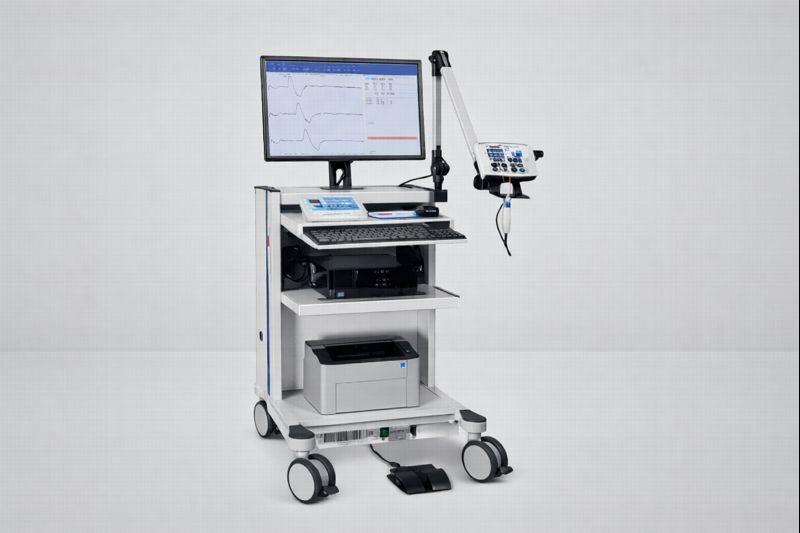
An NCV machine, or nerve conduction velocity machine, is a medical diagnostic device used to measure how fast electrical signals travel through a person’s nerves. This test helps doctors identify nerve damage or dysfunction, often in conjunction with an electromyography (EMG) test, to diagnose various neurological and neuromuscular conditions.
Precise Diagnosis of Nerve Conditions: The test helps doctors accurately identify a wide range of neurological and neuromuscular conditions by measuring the speed and strength of electrical signals.
Differentiation of Nerve vs. Muscle Issues: A major benefit is its ability to determine whether a patient’s symptoms (like weakness, numbness, or pain) stem from a primary nerve disorder (neuropathy) or a muscle disorder (myopathy), which is crucial for determining the correct treatment plan.
Localization of Nerve Damage: The NCV test can pinpoint the specific location along a nerve pathway where damage, compression, or a “conduction block” has occurred, such as in cases of carpal tunnel syndrome or a pinched nerve in the spine.
Assessment of Damage Severity: It provides objective data on the extent and type of nerve damage (e.g., damage to the myelin sheath or the nerve fiber itself), which helps physicians understand the severity and potential prognosis of the condition.
Guiding Treatment Plans: The detailed information gathered from the test allows neurologists to tailor customized and effective treatment strategies, whether they involve medication, physical therapy, or surgery.
Monitoring Disease Progression: For chronic conditions like diabetes or multiple sclerosis, regular NCV tests can be used to monitor the progression of nerve damage and assess the effectiveness of ongoing treatments.
Objective Measurement: The test offers an objective measurement of nerve health, which is more reliable than a patient’s subjective description of pain or symptoms alone.
Coming Soon